Organic Food

The Power of Organic Food and Why Rice is a Healthy Choice

In today’s fast-paced world, more people are turning toward organic food for a healthier lifestyle. Organic foods are grown naturally without harmful chemicals, pesticides, or artificial fertilizers. They are not only better for our bodies but also support a cleaner environment and sustainable farming practices.

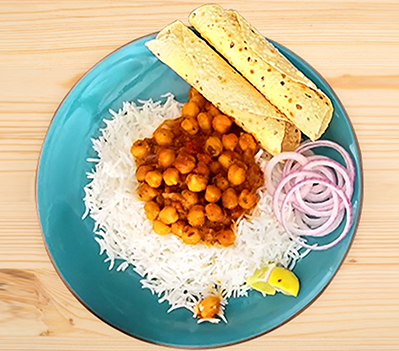
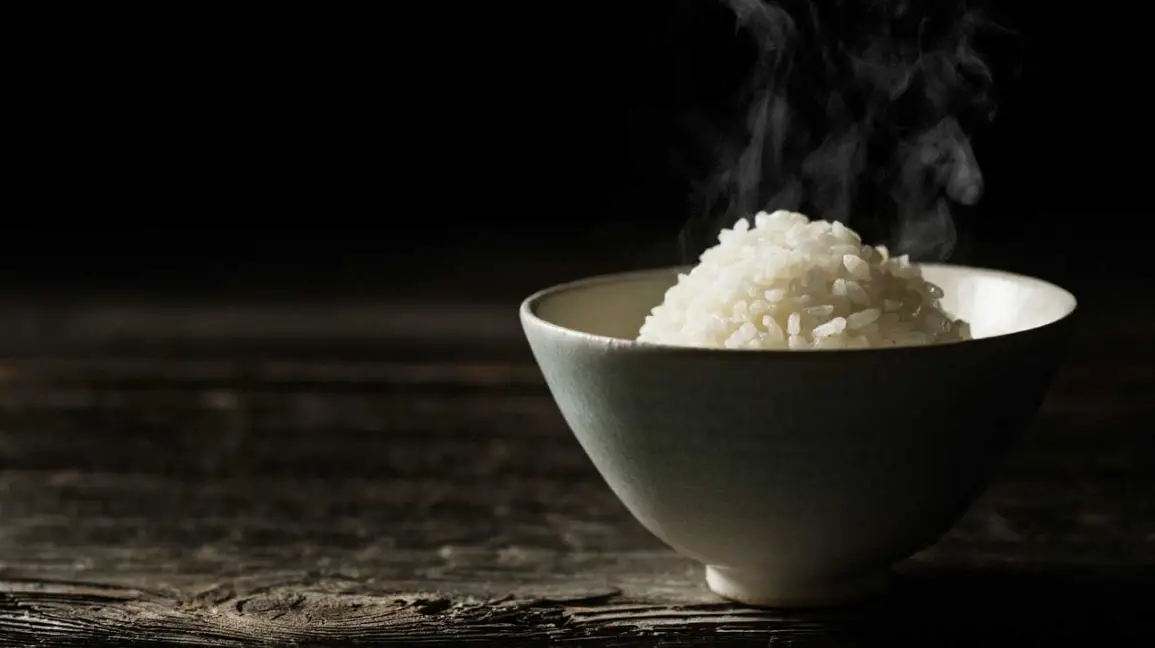
Among organic foods, rice remains one of the healthiest and most important staples worldwide. Rice is rich in carbohydrates, providing the body with long-lasting energy. It is naturally low in fat, easy to digest, and suitable for people of all ages.

Brown rice and organic rice varieties are especially beneficial because they contain fiber, vitamins, and essential minerals that support heart health and digestion. Rice is also gluten-free, making it an excellent option for people with gluten sensitivity.

Choosing organic rice means choosing purity, nutrition, and better taste. By adding organic foods and healthy grains like rice to your daily meals, you can enjoy a balanced diet while supporting a healthier future for both your family and the planet.

What Is the Healthiest Type of Rice?

Though certain varieties of rice may be higher in fiber, protein, or antioxidants, all types of rice can fit into a nutritious, well-rounded diet.

Rice is a staple food in many countries and provides billions of people around the world with an inexpensive, nutritious source of energy.

There are many varieties of this popular grain that differ in color, flavor, and nutritional value.

Some are also abundant in nutrients and powerful plant compounds, such as antioxidants.

This article discusses the most nutritious types of rice and how to maximize the health benefits of whichever variety you select.

Brown rice

Brown rice is whole grain rice that has had the outer protective shell, known as the hull, removed. Unlike white rice, it still contains the bran layer and the germ, both of which pack a significant amount of nutrients.

For example, brown rice bran contains the flavonoid antioxidants apigenin, quercetin, and luteolin. These compounds play an important role in disease prevention.

Regular consumption of foods rich in flavonoids has been linked to a lower risk of chronic conditions, such as heart diseaseTrusted Source and certain cancersTrusted Source.

Brown rice providesTrusted Source similar amounts of calories and carbs to white riceTrusted Source, which has had the bran and germ removed. However, the brown variety is slightly higher in fiber and protein.

Both fiber and protein promote feelings of fullness and can help you maintain a moderate weight. What’s more, fiber can help regulate blood sugar and insulin, a hormone that supports blood sugar control.

However, research on the potential health effects of choosing brown rice over white rice is mixed.

For example, one 2021 reviewTrusted Source found that consuming brown rice in place of white rice reduced body weight but did not have a significant effect on blood sugar control in people with pre-diabetes or type 2 diabetes.

9 Reasons Why You Should Consider Adding Brown Rice To Your Daily Diet

Below we discuss in detail the many benefits of consuming brown rice.

Magnesium and phosphorus, both found in brown rice, are essential for maintaining healthy bones

9 Reasons you we should consider adding brown rice to your daily diet
1. High in fibre for digestive health

Brown rice is rich in dietary fibre, which helps regulate bowel movements and prevent constipation. A fibre-rich diet is also linked to a reduced risk of developing digestive disorders like irritable bowel syndrome (IBS) and diverticulosis.

Loadedh weight management

The fibre content in brown rice promotes a feeling of fullness, which helps reduce overeating and snacking between meals. It has a lower glycemic index (GI) than white rice, meaning it releases sugar more slowly into the bloodstream, which can help with appetite control and weight loss.

3. Lowers cholesterol levels

Brown rice contains oils in the bran layer that have been shown to lower LDL (bad) cholesterol levels. Its high fibre content also helps reduce cholesterol by promoting the excretion of cholesterol from the body, leading to better heart health and lower risk of cardiovascular diseases.

4. Rich in magnesium for heart health

Brown rice is an excellent source of magnesium, a mineral that plays a crucial role in maintaining heart health. Magnesium helps regulate blood pressure, prevent heart disease, and relax blood vessels, reducing the risk of heart attacks and strokes.

5. Supports blood sugar control

The lower glycemic index of brown rice means that it causes a slower rise in blood sugar levels compared to white rice. This makes it a better option for individuals with diabetes or those looking to prevent insulin spikes, helping to maintain more stable blood sugar levels.

6. Provides antioxidants

Brown rice contains antioxidants like selenium and phenolic compounds that help neutralise free radicals, which can damage cells and contribute to aging, inflammation, and diseases like cancer.

7. Promotes bone health

Magnesium and phosphorus, both found in brown rice, are essential for maintaining healthy bones and teeth. Consuming brown rice can help in reducing the risk of osteoporosis and fractures, especially as we age, by supporting bone mineral density.

8. Gluten-free and suitable for sensitive diets

Brown rice is naturally gluten-free, making it a safe and nutritious option for individuals with celiac disease or gluten sensitivity. It provides a great alternative to wheat-based grains while offering essential nutrients.

9. Helps in reducing the risk of cancer

The fibre and antioxidants in brown rice contribute to a lower risk of colon cancer by promoting healthy digestion and reducing inflammation. Selenium, an important mineral in brown rice, is also linked to a reduced risk of several cancers, including breast and prostate cancer.

Incorporate brown rice in your diet today to achieve these benefits.

Disclaimer: This content including advice provides generic information only. It is in no way a substitute for a qualified medical opinion. Always consult a specialist or your own doctor for more information. NDTV does not claim responsibility for this information.